
Refugio County Magistrate Review
Texas law sets the issuance rules. Chapter 15 of the Code of Criminal Procedure governs this. Article 15.03 lets a magistrate issue a warrant or summons once the legal conditions are met, starting with a sworn complaint alleging an offense. The supporting complaint or affidavit supplies the facts. It is not the warrant itself. Refugio County posts no public arrest-warrant search, sample entry, or published number format. For a felony, start with the District Clerk to learn which district court controls the cause. Bond questions go to the sheriff or jail. An active or sealed matter in Refugio County may not surface through an ordinary public request. Read Chapter 15 of the Texas Code of Criminal Procedure for the state issuance framework.
Refugio County Arrest Warrants Explained
An arrest warrant is court process that lets an officer take someone into custody. In Refugio County, a magistrate reviews the complaint or other lawful basis and signs. Felony cases run through district-court structures. County Court, JP, and municipal magistrates may issue lower-level process within their own jurisdiction. The county publishes no warrant-unit roster. No bond amount or public name search appears either. Ask the clerk which court issued the warrant, and whether any detail can be released, before you contact the sheriff or jail about service.
Refugio County Clerk Routing
Two clerk offices split the Refugio County records. For district felony files, the District Clerk is the practical starting point. The other office keeps constitutional County Court criminal, civil, probate, and juvenile records. A docket can help you find a cause, but it will not tell you whether an arrest warrant is active or cleared.
| Record path | Office | Useful limit |
|---|---|---|
| District felony | District Clerk | Ask which of the 24th, 135th, or 267th District Courts controls it |
| County Court | County Clerk | Constitutional County Court, not a County Court at Law |
| Justice Court | JP1 or JP2 clerk | Precinct assignment controls |
| City case | Municipal court clerk | Each city holds its own ordinance and traffic files |
District judges' listed offices may sit in Victoria even when Refugio County falls inside the district. The local District Clerk can route the cause.
Inside a Refugio County Arrest Warrant
Refugio County publishes no sample arrest-warrant entry. The actual number format is not public either. Treat the table as a list of items to ask the clerk about, and request only what the court can lawfully release.
| Warrant number | Local format not published; ask the issuing court. |
|---|---|
| Case or cause | District or County Court identifier tied to the underlying case. |
| Charge | Offense name or statute, if the information is public. |
| Issuing authority | Magistrate or judge and the court that controls the warrant. |
| Bond | Amount and type confirmed by the court or jail; no countywide schedule is posted. |
| Issue and return dates | Ask whether service, return, recall, or quash is recorded. |
Refugio County Service Is Case-Specific
The sheriff serves as the public law-enforcement and jail contact for Refugio County. Refugio County publishes no per-warrant service matrix. Constables for Precincts 1 and 2 appear as county officials, and city police handle local matters. Other authorized officers may also execute process. The issuing clerk knows which agency got a warrant. The sheriff's page lists phone, dispatch, and jail contacts. Its public locator points to the courthouse, while an official vehicle-impound PDF names 807 Osage Street for sheriff-office processing. Those PDF hours are not a warrant counter schedule, so call before you go.
Serving Arrest Warrants in Refugio County
A Refugio County arrest warrant may be served by the sheriff, a constable, municipal police, or another authorized peace officer. The assignment depends on the issuing court. No countywide chart is posted. After arrest, the person is booked and brought before a magistrate for warnings and a bond decision, with the jail able to explain custody routing and next questions. Before a voluntary appearance, call the sheriff at 361-526-2352 and the jail at 361-526-1698, then contact the issuing clerk. Refugio County publishes no countywide bond schedule, walk-in surrender instructions, or bond payment window. A lawyer can ask about a planned surrender or walk-through.
Federal Warrants Near Refugio County
Federal cases skip the Refugio County sheriff's warrant route. They belong to the Southern District of Texas, Victoria Division. The federal courthouse in Victoria lists Refugio among its counties. The U.S. Marshals keep a separate Victoria office for federal warrant and fugitive questions, and neither office works as a countywide public warrant database. The official Victoria Division page explains its court location and coverage.
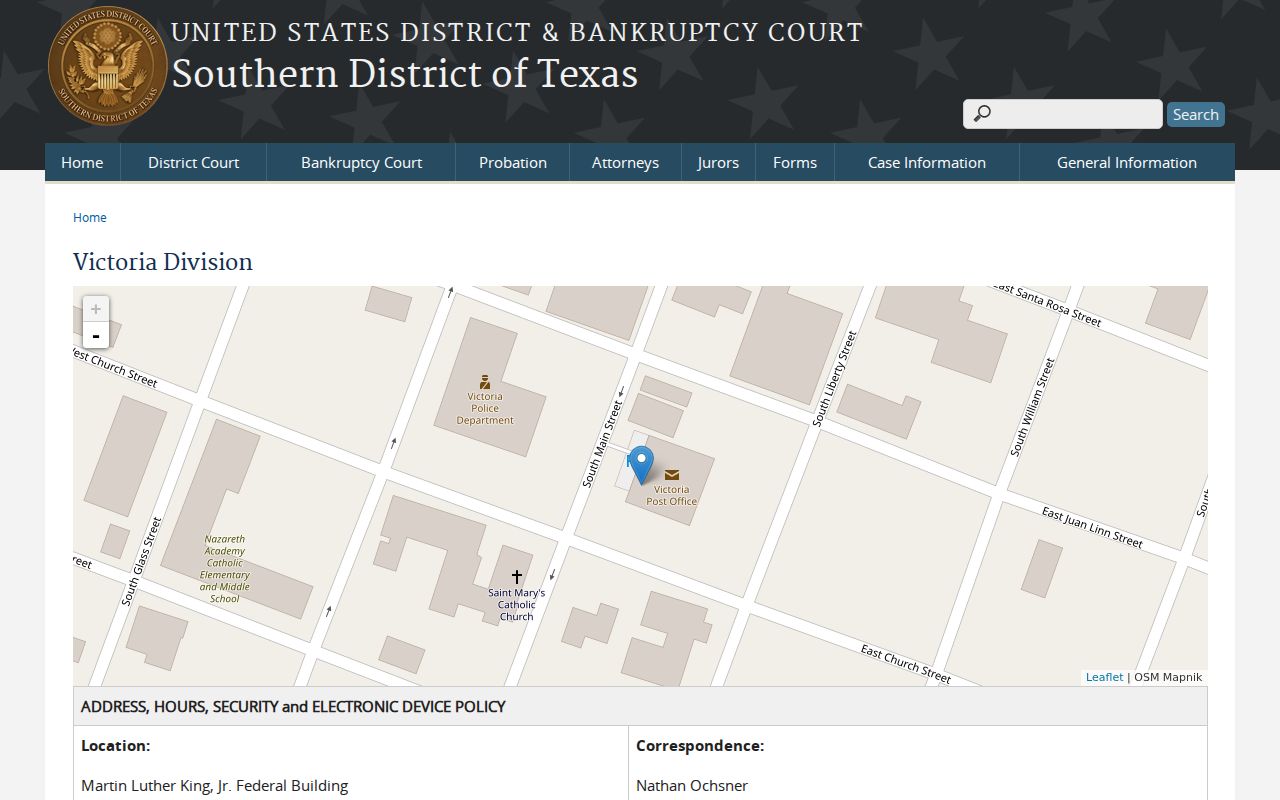
That jurisdiction stands apart from Refugio County Court and district-court records. Use the Marshals' Southern District contact listing for federal routing.
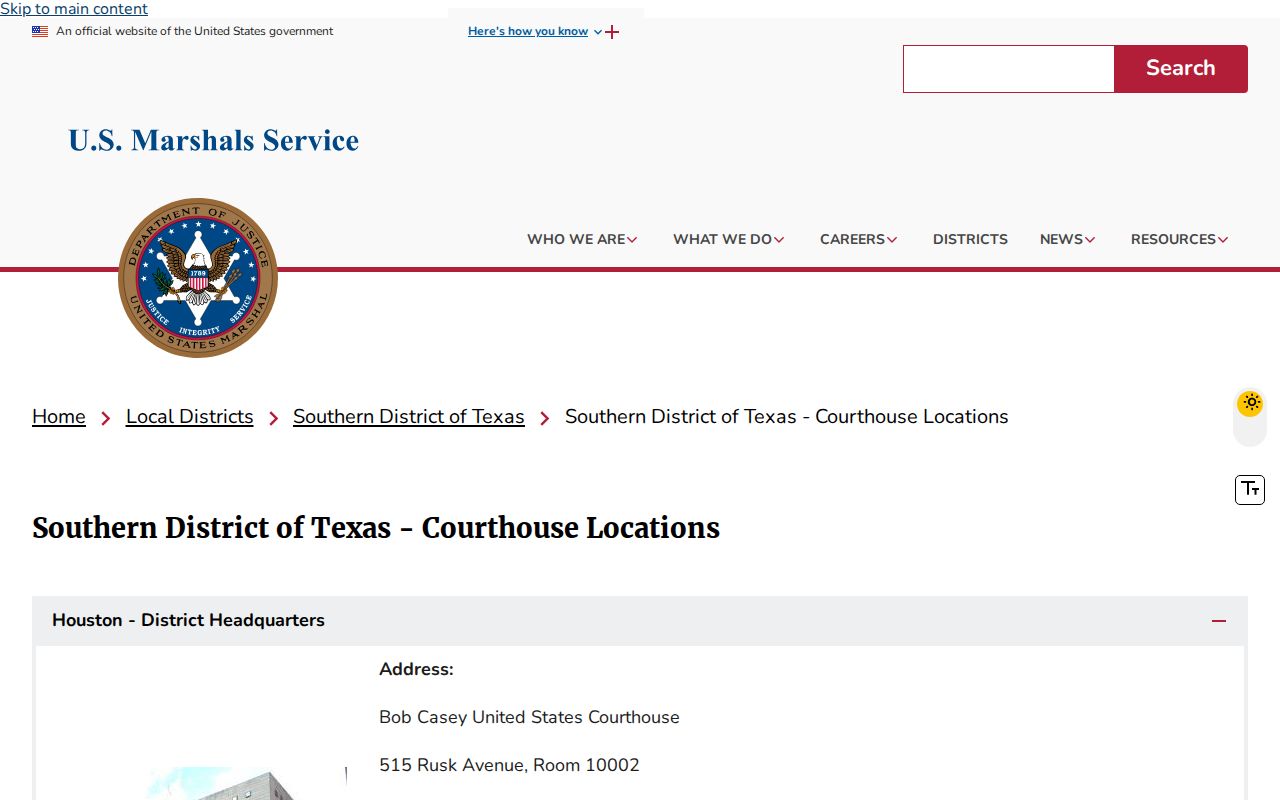
For a local county case, contact the issuing Refugio County court and sheriff instead.
Comparing Arrest, Summons, and Bench Warrants
Around Refugio County, one call can bring up all three terms. They name different court actions. A summons orders an appearance, not an arrest. A bench warrant usually follows a missed obligation in an existing case, and the separate bench warrant information explains JP and city-court failure-to-appear routes.
| Feature | Arrest Warrant | Summons | Bench Warrant |
|---|---|---|---|
| What it orders | Officer to arrest and bring the person to court | Person to appear at a stated time | Arrest or appearance after missed duty |
| Basis | Probable-cause process under law | Charge or court notice | Failure to appear, respond, or comply |
| Issuer | Magistrate or judge | Court or authorized officer | Judge in the existing matter |
| First response | Contact counsel, court, sheriff, and jail | Attend by the stated date | Ask issuing court about recall or reset |
Refugio County Bond Has No Set List
Refugio County publishes no countywide bond schedule and offers no online bond calculator. A magistrate or the court sets release terms case by case. Cash, surety, personal recognizance, and no-bond rulings each work differently. So ask the jail or the court which one applies before you pay anyone. Posting bond only secures release and a promise to appear. It does not end the charge. The District Clerk does run an online case payment service, but that tool is separate, and you must call for payment details; it is not a bond desk for the sheriff, jail, or city court.
If There's an Arrest Warrant for You
Start by confirming the issuing court, the warrant's status, and the bond or surrender route. A district felony? The District Clerk can name the controlling cause number. The sheriff and jail can explain county service or custody. Refugio County posts no walk-in form and no local bond schedule. A lawyer can arrange a walk-through, advise on surrender, or ask the court to recall or quash the warrant. Once you have appeared or posted bond, confirm what remains in the underlying case and get the next court date in writing. One more step matters: a warrant's status change may need a separate update from the court to law enforcement. The Refugio County resolution steps lay out the local contact chain.
Important: Speak with a lawyer before voluntary surrender. Call the issuing court, sheriff, and jail first to confirm where to report and how bond is handled.